
Human Reviewed
Parent feedback
74 families found this review helpful
Christian Movie Review
Look Back Christian Movie Review
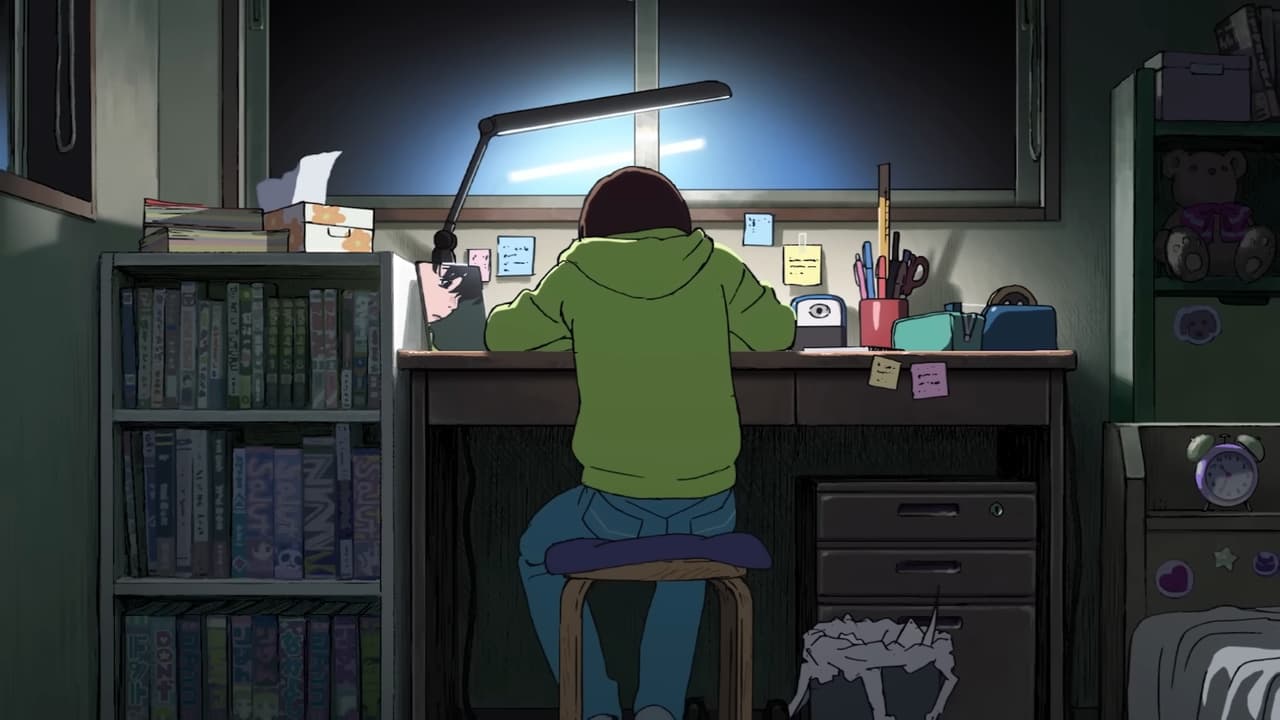
(2024)Look Back is an anime drama about two young artists whose rivalry grows into a deep creative partnership. The story follows their love of drawing, the shaping power of friendship, and the grief that follows a sudden act of violence.
This is a thoughtful, emotionally heavy film with strong themes of friendship, purpose, and loss. Surface content is moderate for a family title, but the grief and school-violence material give parents meaningful conversation points.
Use the content rating for what children will see and hear, and the Christian guidance rating for what the story may stir up and need discussed.
Content Indicators

Reviewed 29 September 2026
Micah covers action, fantasy, and franchise releases, with close attention to violence, spiritual themes, and moral framing.
Look Back Christian Movie Review (2024)
Guidance: Talk Together
This is a thoughtful, emotionally heavy film with strong themes of friendship, purpose, and loss. Surface content is moderate for a family title, but the grief and school-violence material give parents meaningful conversation points.
Why This Guidance Level
Look Back is not content-heavy in the usual sense, but it carries notable emotional weight through grief, trauma, and school-violence material. Its strongest concern for Christian families is not crude content but the need to help children process suffering, purpose, and hope with care.
Faith & Worldview Perspective
The film honors hard work, artistic calling, and the deep influence of friendship. It also presents grief with painful realism, showing how loss can reshape memory, identity, and motivation. That honesty can open good conversation, but the story’s emotional framework is grounded more in human connection and artistic legacy than in the hope of redemption in Jesus Christ. Parents may want to discuss where lasting comfort comes from when talent, friendship, and memory cannot heal the heart.
Truths Reflected
- Creative gifts can be used with discipline and perseverance.
- Friendship can profoundly shape a person’s growth and calling.
Tensions to Discuss
- The film wrestles with grief without pointing to the living hope and comfort found in Jesus Christ.
- Meaning is largely framed through art, memory, and personal connection rather than through God’s purposes.
Content & Discernment Markers
Occult & Spiritual Content
- A comic-within-the-story includes the line “I’ve been reincarnated!” and later “Kiss me again when we’re reborn.” These moments are brief and fictionalized inside the characters’ manga work, but they still introduce reincarnation language from a non-biblical spiritual framework. Parents may want to contrast this with the Christian hope of resurrection in Christ.
Sexuality & Relationships
- Sexual material is light. A comic story includes a first-kiss setup and lines such as “My love, where are you?” and “Kiss me again when we’re reborn.” There are also art-study references to learning the human body, including nude-form sketches used for drawing practice.
Identity Themes
- The story strongly explores identity through talent, achievement, and artistic purpose, especially in the repeated question, “Then why do you draw, Fujino?” This is not sexual-identity content, but it does invite discussion about whether a child’s worth rests in performance or in being made by God.
Violence & Intensity
- A major story turn involves a school massacre described through breaking-news reports: “Yamagata Art College Massacre,” “12 dead 3 seriously injured,” and a report that a man “brandished a sharp tool.” The event itself is not the film’s focus in a graphic action sense, but the subject matter is heavy and likely upsetting for younger viewers.
- An ominous account says a man “planned to kill any student he saw,” creating sustained threat around a main character. This matters less for gore than for fear, grief, and the emotional shock of targeted violence.
- There is also stylized action in manga/fantasy material, including “I’ll kill you!” and martial-arts style lines like “Kick! Hi-yah!” and “Kick and kick more to survive!!” These moments are less realistic than the massacre material but still add violent imagery.
Language & Humour
- Language is generally mild. The clearest rough wording is “stupid” in an art-instruction moment: “The #1 tip is just draw! Stupid!” There is also school teasing, including a joke about a student calling the teacher “Dad.”
Other Content Notes
- A comic draft includes exaggerated accident material: “Both about to die after an accident” and “VOMITS,” along with crash sound effects. This appears in story materials created by the characters rather than as literal main-story events, but sensitive children may still notice the imagery.
- The emotional weight of bereavement is one of the film’s central burdens. Scenes of isolation, regret, and sorrow after loss may hit harder than the visible content itself. Parents may want to check in afterward about fear, sadness, and where comfort is found.
Notable Moments
- Question of purpose: A key line pushes the story beyond talent and rivalry into deeper questions about motivation and identity.
“Then why do you draw, Fujino?”
- Massacre aftermath: The film introduces a devastating turn through a breaking-news report about violence at an art college.
“BREAKING NEWS YAMAGATA ART COLLEGE MASSACRE KILLER ARRESTED 12 DEAD 3 SERIOUSLY INJURED”
- Non-biblical spiritual phrase: A fictional comic line uses reincarnation language that may be worth discussing with children.
“I’ve been reincarnated!”
- Isolation imagery: A repeated phrase around a shut-in character captures the push and pull of fear, withdrawal, and longing for connection.
“Don’t come out! Come out! Come out!”
Discussion Prompts
- Purpose and identity: Why do you think drawing became so important to these characters? What happens when our identity rests mostly on talent or success?
- Biblical guidance: Scripture teaches that our deepest identity is received from God, not earned by achievement.
- Scripture: Psalm 139:13-14, Colossians 3:23-24
- Grief and hope: How did the characters respond to loss? Where do people usually look for comfort when something terrible happens?
- Biblical guidance: Christians grieve honestly, but not without hope, because comfort and resurrection hope are found in Jesus Christ.
- Scripture: 1 Thessalonians 4:13-14, John 11:25
- Friendship and influence: How did these two friends shape each other for good and for pain? What makes a friendship life-giving?
- Biblical guidance: God often uses friendship to sharpen, encourage, and strengthen us in good work.
- Scripture: Proverbs 27:17, Ecclesiastes 4:9-10
- Spiritual ideas in stories: What did you notice about the lines about being reborn or reincarnated? How is that different from what Christians believe about life, death, and resurrection?
- Biblical guidance: The Christian hope is not reincarnation but resurrection and eternal life through Jesus Christ.
- Scripture: Hebrews 9:27, 1 Corinthians 15:20-22
Common questions about Look Back
- What age is Look Back suitable for?
- Look Back suits children of about 9 and older in most families. The main reason is violence and peril. A major story turn involves a school massacre described through breaking-news reports: “Yamagata Art College Massacre,” “12 dead 3 seriously injured,” and a report that a man “brandished a sharp tool.”
- Is Look Back okay for a 7-year-old?
- Look Back is generally better suited to children of about 9 and up, so a 7-year-old may find parts of it a stretch. A major story turn involves a school massacre described through breaking-news reports: “Yamagata Art College Massacre,” “12 dead 3 seriously injured,” and a report that a man “brandished a sharp tool.” Families whose children handle violence and peril well may still be comfortable watching together.
Age guidance is derived from this review's content findings and the film's official classifications. It is a starting point for your own judgement, not a rule.
Parent comments
Leave a comment on this review
Share a short note on Look Back, or help other parents with discernment.
Submit will ask you to sign in first.
Weekend family picks
Get the short family movie list before the weekend
Example newsletter: 3 movies to watch this weekend with your family, plus one question to ask after the credits.
Sample: 3 movies to watch this weekend with your family
One cinema pick, one streaming pick, one conversation-starter pick.
Related Articles
A few bigger-picture reads for parents who want more context than a single review page can hold.

How To Talk With Kids About Magic, Fate, And Spiritual Themes In Movies
Many family movies use magic, destiny, spirits, or cosmic balance to drive the story. This article helps Christian parents respond without overreacting, while still drawing clear lines back to biblical truth.
Read article
How To Talk With Kids About Dragon magic In Family Movies
A parent-friendly guide to discussing dragon magic in family movies through a Christian lens.
Read article
How To Talk With Kids About Mild fantasy peril In Family Movies
A parent-friendly guide to discussing mild fantasy peril in family movies through a Christian lens.
Read articleMore Reviews



Official regional ratings
Local ratings remain available for reference, but LionLens separates those classifications from Christian family discernment.
Review Method
How this review was prepared
LionLens reviews are written with subtitle and dialogue evidence where available, official regional ratings data, source research, and final human editorial review before publication.